Almaty in January: The Visa-Free Winter Trip Most Indians Have Not Worked Out Yet
Three and a quarter hours from Delhi, no visa, and a 3,200 m ski mountain half an hour from the city. Here is what January actually opens, what it quietly closes, and how to build six days around nine hours of daylight.
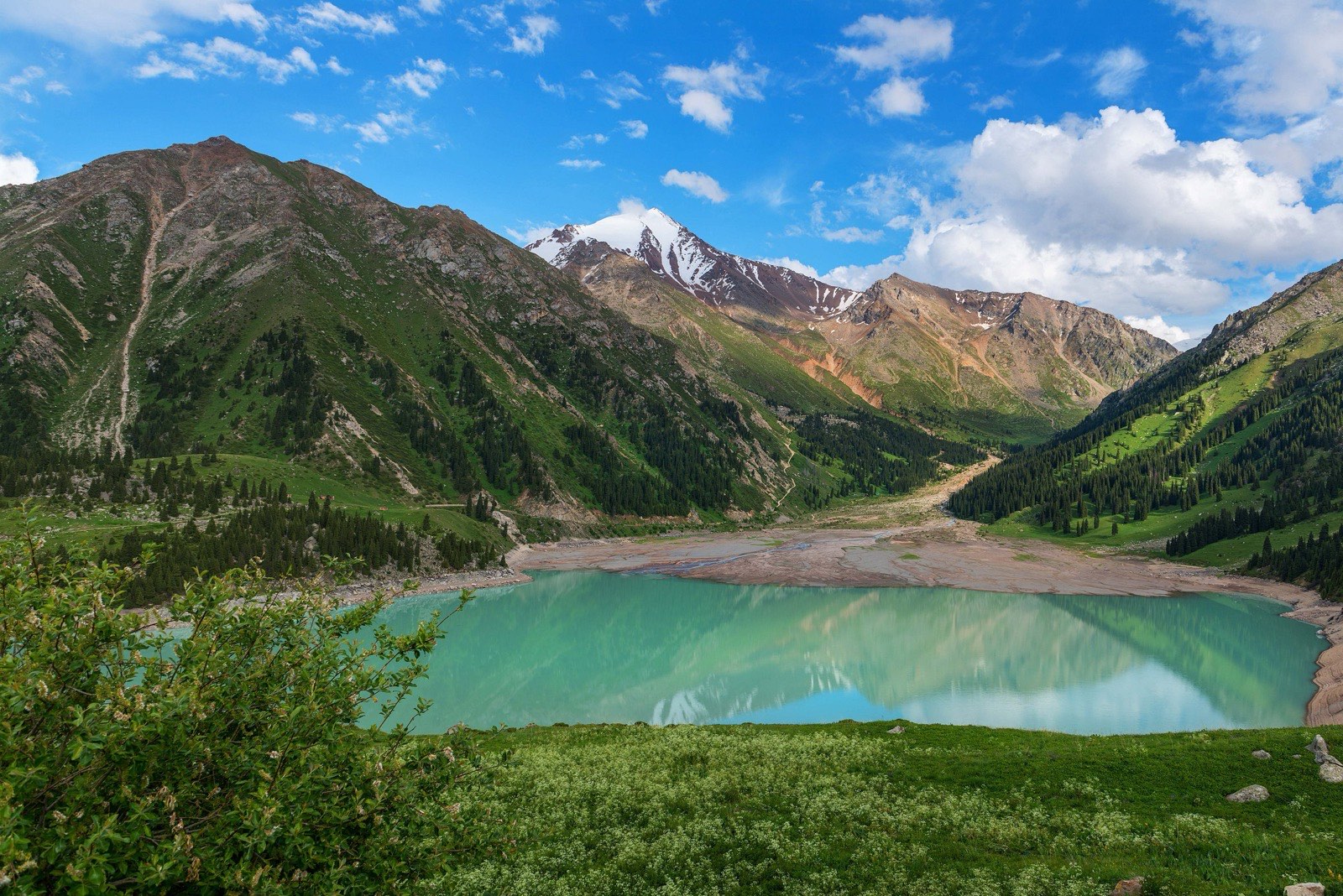
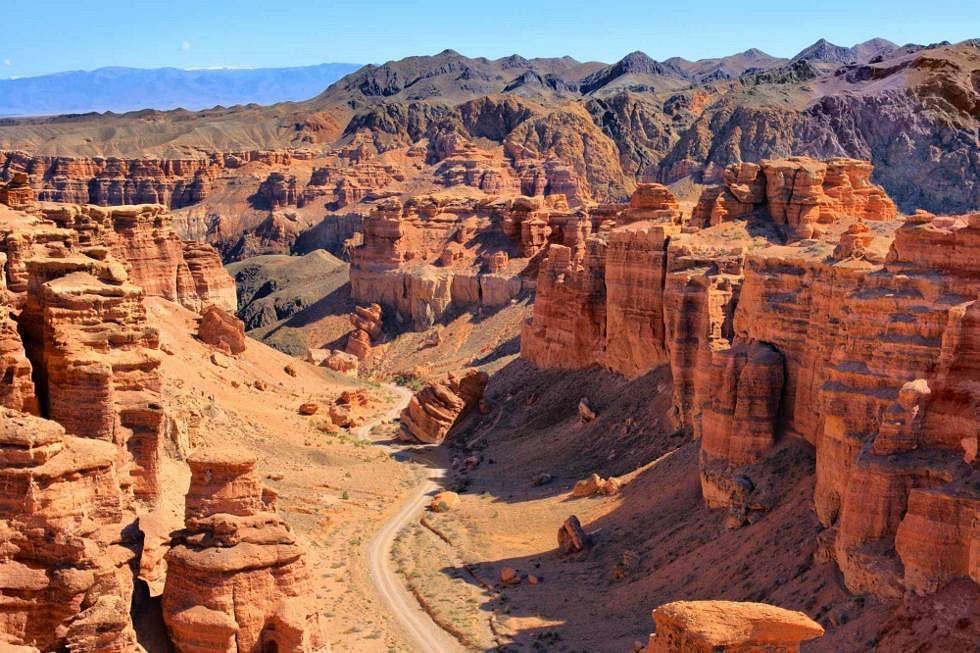
The Almaty photographs that reach Indian feeds are almost all taken between June and October. Turquoise lake, green slopes, a canyon the colour of rust at golden hour. They are what sold most people on Kazakhstan, and they are the reason a lot of January trips go slightly wrong.
January is a different country. It is also, on paper, the easiest mountain winter an Indian passport can reach: no visa, a direct flight of about three and a quarter hours from Delhi, and a ski mountain topping out at 3,200 m that sits half an hour from a city of two million people.
The catch is not the cold. It is that half the famous sights are a summer proposition, the sun sets before half past four, and nobody tells you which is which until you are standing at a snowed-in turning. This guide sorts the open from the closed, with every number linked to where it came from.
The visa rule, in the detail that actually matters
Indian passport holders have been on Kazakhstan's visa-free list since **8 July 2022**, alongside China and Iran. No application, no fee, no embassy appointment.
What people miss is the shape of the allowance. It is 14 days per entry, and the visa policy attaches a second limit on top: a maximum of 42 days within any 180-day period, counted cumulatively. The 14 days cannot be extended once you are inside the country, and the exemption covers tourism, short business and family visits, not work, study or medical treatment. For anything longer, there is an e-Visa, and e-Visa holders have to arrive through Almaty or Astana airport.
At immigration, expect to be asked for a return or onward ticket inside the 14 days and proof of where you are staying. Carry both on your phone and on paper. For a six-day January trip none of this is a constraint, but the 42-day cap is worth remembering if Central Asia becomes a habit.
The flight, the clock, and why both change the itinerary
Delhi to Almaty is a non-stop of roughly three hours and fifteen minutes, flown daily, with several departures clustered in the small hours. It is a shorter flight than Delhi to Bangkok.
Then the clock does something useful and something annoying. The useful part: since **1 March 2024** Kazakhstan has run on a single time zone, UTC+5, which puts Almaty 30 minutes behind IST. There is no jet lag to speak of. You land, and your body already knows what time it is.
The annoying part is daylight. In January, Almaty gets between about **9 hours 3 minutes** of light on the 1st and 9 hours 54 minutes on the 31st. Sunrise is around 07:20, and the earliest sunset of the month is 16:27. Nine hours is enough for one thing done properly. It is not enough for a 400 km round trip plus a canyon walk plus a lake, which is exactly what most copied-from-summer itineraries try to do.
What the cold actually does
Almaty sits at around 800 m at the foot of the Zailiysky Alatau. In January, the city runs at or just below freezing by day and near minus ten at night, which Delhi in a cold snap has trained nobody for but a down jacket solves.
The mountain is a separate climate. Local winter guidance puts Shymbulak 10 to 15 degrees colder than the city, with minus twenty-five possible at the top on a bad day. This is why the cable car matters more than it looks: you can gain 2,400 m of altitude in under an hour, which is a bigger temperature change than any single thing you will do on the trip.
The compensation is the snow. January is Shymbulak's best month for depth and dryness, with a base around 90 cm in a typical year, and it is also a quieter month than the holiday fortnight either side of New Year. The resort's busiest windows are 23 December to 1 January and the February half-term. Mid to late January is the gap in between: full snow, thinner queues.
The altitude ladder, which is the whole trip in one picture
Almost everything worth doing near Almaty is arranged vertically rather than horizontally. The city is the bottom rung.
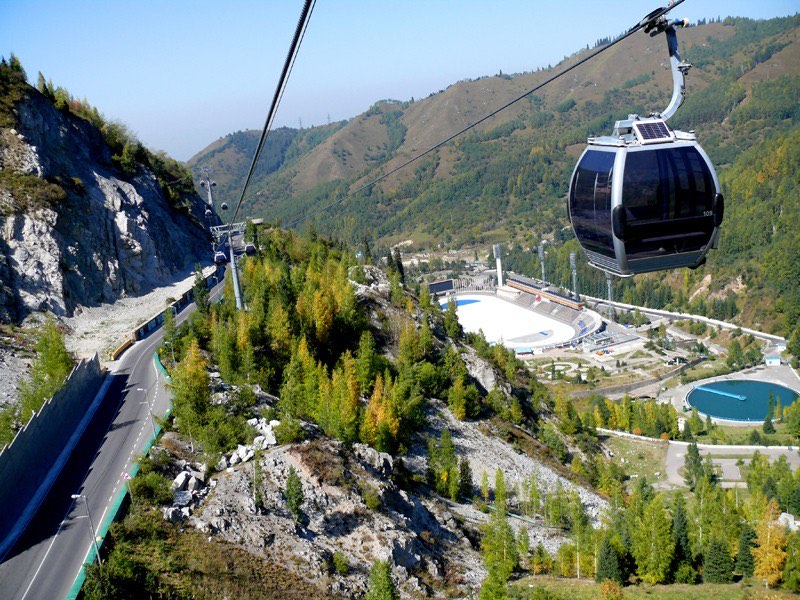
**Medeu** sits at 1,691 m, about 15 km up the gorge, and is the largest high-mountain skating rink in the world. In January it is an outdoor ice rink in a snowed-in valley, which is a better evening than it sounds and costs very little.
**Shymbulak** starts above it at roughly 2,200 m and the staged gondola runs up to the Talgar Pass at 3,200 m. You do not need to ski to use it. The sightseeing return ticket runs roughly 4,000 to 6,500 tenge depending on how high you go, with the full panorama stage costing more, and winter running hours are around 09:30 to 17:00. Check the current tariff on the day, because it moves with the season.
**Big Almaty Lake** is on a different road, about 15 km from the city at 2,511 m. It is the turquoise photograph everyone has seen. In January it is a white bowl: the lake is usually frozen from late November into April, and the road up can be restricted to properly equipped vehicles or closed outright after a fall.
What January opens, and what it quietly closes
This is the table most January trips needed and did not have. The far sights around Almaty do not share a season, and the difference between them is not how cold it is but whether anybody clears the road.
| Where | Distance from Almaty | January status |
|---|---|---|
| Medeu and Shymbulak | 15 to 25 km, under an hour | Fully open and at their best. Deepest, driest snow of the season, quieter after the first week of January |
| Big Almaty Lake | About 15 km, up a mountain road | Frozen and spectacular, but access depends on the road and the vehicle. Carry your passport for the border-zone checkpoint |
| Charyn Canyon | About 200 km east on the A351 | Open year round, dawn to dusk. A long day in short light, and genuinely cold on the canyon floor |
| Kolsai lower lake | About 300 km, past Saty village | Reachable in good conditions and frozen when you get there. A full day and then some, not an add-on |
| Kaindy Lake | About 280 km to Saty, then off-road | Effectively a summer sight. The track from Saty is not cleared in winter, so reaching it means a long walk on snow |
Charyn in winter, which is worth it with one condition
The Valley of Castles is about 200 km east of Almaty on the A351 towards Kegen, and a normal car reaches the main car park in clear conditions. The park opens daily from dawn to dusk, the entry fee is small, and the gate wants cash in tenge.
Winter does two good things to it. The crowds thin out, and the red rock against snow is a better photograph than the summer version. It also does one hard thing: the canyon floor can sit around minus twenty, there is no shelter once you walk in, and the light is gone by half past four.
The condition is simple. Leave at first light, treat it as the only thing you do that day, and keep a bail-out plan for the drive back. A 400 km round trip on winter roads is not a half-day excursion no matter what the tour listing says.
A six-day January plan that respects the daylight
Built for a six-day trip with the first and last days eaten by flights, which is what most people actually have.
- Day one, land and stay low. The early arrivals get you into the city before breakfast. Zenkov Cathedral and Panfilov Park, the Green Bazaar for dried fruit and horse sausage you will photograph and not buy, a long lunch, an early night. Do not climb anything on day one.
- Day two, the mountain. Medeu then Shymbulak, the whole day. Skate in the morning, take the gondola up through the stages after lunch when the light is best, and come down before the lifts stop around 17:00. Dress for minus twenty-five at the top even if the city is mild.
- Day three, the long drive. Charyn Canyon, out at first light, back after dark. One anchor, nothing else.
- Day four, the frozen lake or a reserve day. Big Almaty Lake if the road is good and the vehicle is right. If the forecast has turned, this becomes your buffer: a second mountain day, the Kok Tobe hill, the museums, the bathhouse.
- Day five, the city you flew past. Almaty is a proper Soviet-planned city with a serious cafe culture and a food scene that outlives the daylight. This is the day you stop driving.
- Day six, fly. Keep the morning empty. Winter airport mornings are not the time for one last viewpoint.
Money, signal and food, in the order they catch people out
- Cards work in the city, cash works in the mountains. Kazakhstan is unusually cashless and the local Kaspi QR system is everywhere, but there are no ATMs at Charyn, at Kolsai or on the Big Almaty Lake road. Withdraw tenge before you leave town and keep small notes for park gates.
- Get an eSIM before you fly. Beeline, Kcell and Tele2 all sell prepaid tourist data. Coverage is good in the city and patchy up the gorges, which matters on a day when the plan changes at a road block.
- Vegetarian is fine in Almaty and harder outside it. Central Almaty has Indian restaurants and a cafe scene used to the request. Village stops on the Charyn and Kolsai roads are meat and bread. Carry food on long-drive days rather than hoping.
- Layers, not one big coat. You will go from a heated car to a wind-exposed canyon rim to a 3,200 m pass in the same day. Thermals, fleece, a windproof shell, gloves that survive being taken off for photographs, and boots with grip for ice, which city sneakers do not have.
- Thirty minutes behind IST. Useful when you are coordinating with home, easy to forget when you are checking a sunset time against an Indian weather app.
What people get wrong in January
Booking a summer itinerary in a winter month. The Charyn, Kolsai, Kaindy and Altyn-Emel loop is the classic Almaty circuit and it is built around long days and dry tracks. In January, parts of it are a hike rather than a drive. Ask any operator specifically what the winter version of their itinerary replaces, and get the answer before you pay.
Treating distance in kilometres rather than daylight. Two hundred kilometres each way is a full day when the sun sets at 16:30 and the surface is ice.
Arriving in the last week of December. The snow is good and the mountain is at its most crowded. The same week in mid January is quieter for the same conditions.
Renting a low sedan. It is enough for the city and the Charyn highway on a clear day, and it is the wrong vehicle for the mountain roads that make the trip.
Skipping the cold-weather kit to save baggage. You cannot buy your way out of this one at 3,200 m with a jacket bought for a Delhi winter.
Doing it yourself, or going with a group
Almaty is an easy city to land in alone. Where a January trip gets difficult is the hundred kilometres past the ring road: a driver who knows which gorge road has been cleared this morning, a vehicle that belongs on it, a plan B that is already decided when the first plan closes, and somebody who speaks Russian at the checkpoint. That gap between a famous sight and the logistics of reaching it is the same one we wrote about in why booking travel experiences in India is still hard, and it is wider abroad in winter than anywhere.
If you would rather not solve it yourself, there is a GoExplorer group trip to Almaty running 18 to 23 January 2027, six days with a small group, hosted. The itinerary and inclusions are set by the host and the ground operator and are listed on the Almaty trip page, so read them against the seasonal table above before you decide: that is a fair question to ask of any January departure, ours included.
If the dates do not work, the other upcoming group trips include Bir, Rajgundha and Barot in Himachal in November and Chakrata and Moila Top in Uttarakhand in December, both of which turn on the same weather-window thinking. Our guides to Chakrata in December and visa-free destinations for Indian travellers cover either side of that choice.
Common questions
Do Indians need a visa for Kazakhstan? No. Indian passport holders have had visa-free entry since July 2022, for 14 days per entry and a cumulative 42 days in any 180-day period. Carry a return ticket inside the 14 days and proof of accommodation.
How cold is Almaty in January? In the city, around or just below freezing by day and near minus ten at night. At the top of the Shymbulak gondola it can be minus twenty-five.
Is Shymbulak worth it if I do not ski? Yes. The staged gondola from Medeu to the Talgar Pass at 3,200 m is a sightseeing ride in its own right, and Medeu below it is a working outdoor ice rink.
Can I see Kaindy Lake in January? Not easily. The track from Saty village is not cleared in winter, so the last stretch is a long walk on snow rather than a drive. It is a summer sight.
Is Charyn Canyon open in winter? Yes, year round, dawn to dusk, and a standard car reaches the main car park in clear conditions. It is 200 km each way, so it fills a whole short winter day.
How long is the flight from Delhi? About three hours fifteen minutes non-stop, flown daily. Almaty is 30 minutes behind IST, so there is effectively no jet lag.
How many days do I need? Six is comfortable: two mountain days, one long drive, one reserve day and one city day, with flights at either end.
The short version
No visa, 14 days per entry, 42 days in any 180. A direct flight of about three and a quarter hours from Delhi, and no jet lag.
Nine hours of daylight means one anchor per day. Itineraries copied from summer listings are the single most common January mistake.
Medeu, Shymbulak and the Talgar Pass are at their best in January, and quieter after the first week of the month.
Big Almaty Lake is frozen and road-dependent. Charyn is open year round and eats a whole day. Kaindy is a summer sight.
Cards in the city, cash in the mountains, an eSIM before you fly, and clothes rated for the top of the gondola rather than the street.